Understanding the Basics of Casino Gambling
Casino gambling is often shrouded in misconceptions, leading many to adopt misguided beliefs about the nature of games and their outcomes. At its core, gambling in a casino involves betting money on games of chance, such as slot machines, card games, and roulette. Each game operates under its own set of rules and odds, which can significantly impact the players’ chances of winning. For those looking to enhance their gaming experience, exploring options like 1win can provide valuable insights into various strategies and game selections. It’s crucial for newcomers to understand these basics, as knowledge empowers players to make informed decisions rather than fall prey to myths.
One common myth is that casinos are designed to be irresistible, with free drinks and vibrant atmospheres intended solely to keep players engaged. While this is partially true, the primary purpose of casinos is to generate profit through the odds in their favor. Gamblers can significantly improve their experience by recognizing the house edge inherent in many games. By doing so, they can approach their play with a more rational mindset, focusing on enjoyment rather than excessive chasing of losses.
Additionally, misconceptions surrounding the staffing and operation of casinos often arise. Many players believe that casino employees are there solely to manipulate outcomes in favor of the house. In reality, dealers and staff are trained professionals who adhere to strict guidelines and regulations. Their focus is to enhance the gaming experience, ensuring games are fair and transparent. Understanding the foundational aspects of casino gambling can help dispel many myths and foster a healthier approach to gaming.
Debunking Common Misconceptions
One of the most prevalent misconceptions about casino gambling is the belief in “hot” and “cold” machines. Many players think that certain slot machines are due for a big payout after a series of losses or that recent wins mean a machine will not pay out again soon. This perspective stems from a misunderstanding of how slot machines operate. In reality, modern machines use random number generators, ensuring that each spin is independent and has no relation to previous outcomes. This randomness is crucial, as it means players cannot predict when a machine will pay out based on past spins.
Moreover, gamblers often assume that skill can dramatically influence the results of games like blackjack or poker. While strategy plays a significant role in these games, various factors, including luck and the actions of other players, can dictate outcomes. Thus, while becoming proficient in strategy can enhance a player’s success rate, it does not guarantee victory, and players should remain cognizant of luck’s paramount importance. This understanding can lead to a healthier perspective on the role of skill in gambling.
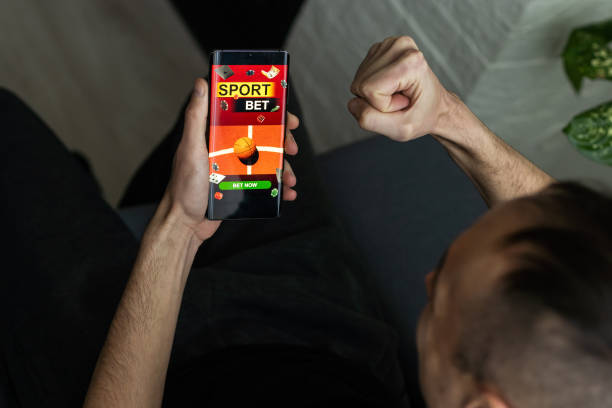
Another myth revolves around the notion that casinos are safe havens for money laundering and criminal activities. While it’s true that casinos are regulated environments, they have sophisticated systems in place to detect irregularities. The majority of players participate in gambling as a form of entertainment, and casinos work hard to create a secure environment where fun and fair play are paramount. Recognizing this reality can help dispel unfounded fears about gambling establishments and promote a more positive view of the casino experience.
The Role of Luck versus Skill
The debate regarding the significance of luck versus skill in gambling is ongoing. Many enthusiasts assert that games like poker and blackjack rely heavily on a player’s skill set, while others argue that luck plays a predominant role in the outcome. The truth is that both factors are intertwined. When skilled players encounter favorable circumstances, they can leverage their expertise to maximize winnings. However, no outcome is ever guaranteed, as luck can quickly change the tides during gameplay, making it essential for players to embrace both elements in their gambling approach.
In contrast, games like slots or roulette are primarily based on luck, as players have no control over the outcomes. Players often overlook this aspect, leading to irrational decisions based on the belief that they can influence the game somehow. Understanding the nature of each game can help players create realistic expectations, allowing them to enjoy the experience without undue stress or disappointment. This clarity fosters a more enjoyable gaming environment, where players can engage with games responsibly.
Ultimately, recognizing the interplay between luck and skill can transform a player’s approach to gambling. Many find enjoyment in honing their skills in games that allow for strategy, while simultaneously embracing the randomness of chance-based games. This duality promotes a balanced perspective on casino gambling and encourages a more enjoyable and sustainable gambling experience. Players who appreciate both luck and skill are often better equipped to handle the ups and downs inherent in gaming.
The Psychology Behind Gambling Behavior
Psychological factors play a crucial role in gambling behavior, with many players engaging in specific patterns driven by emotions and cognitive biases. One common phenomenon is the gambler’s fallacy, where players mistakenly believe that past events can influence future outcomes. For instance, if a roulette wheel lands on red several times in a row, some may feel that black is “due” to occur, leading to misguided betting strategies. Understanding these psychological tendencies is vital to avoid common pitfalls associated with gambling and to foster a more rational approach to gaming.

Additionally, the thrill of gambling can lead to addictive behaviors. The excitement experienced during play can trigger the release of dopamine, a neurotransmitter associated with pleasure and reward. This reinforces the enjoyment of the activity, which can lead to problematic gambling for some individuals. Developing awareness of one’s emotional response while gambling can help mitigate risks associated with compulsive behaviors, allowing players to enjoy the activity responsibly. Recognizing the signs of gambling addiction is essential in maintaining a healthy relationship with gambling.
Education surrounding gambling psychology is essential for all players, as it empowers them to recognize their motivations and triggers. By promoting responsible gaming habits, players can create a healthier relationship with gambling, turning it into a fun recreational activity rather than a source of stress or financial strain. Institutions and organizations often provide resources to help players understand these psychological aspects better and promote safer gambling environments, which is crucial for long-term enjoyment.
Exploring Resources for Responsible Gambling
For those who wish to explore the world of casino gambling while prioritizing responsible gaming, various resources are available to foster a healthy approach. Many reputable casinos offer tools and information on responsible gambling practices, including self-assessment quizzes, time limits, and budget setting. These initiatives can empower players to take control of their gambling habits and make informed decisions that enhance their gaming experience without leading to negative consequences.
Moreover, support organizations and helplines are accessible for individuals who may struggle with gambling addiction. These resources provide confidential assistance and guidance, helping players navigate their challenges effectively. Awareness of such resources is paramount in ensuring that gambling remains an enjoyable pastime without negative repercussions. By knowing where to turn for help, players can seek assistance before problems escalate.
Creating a culture of responsible gambling within the casino community is essential for promoting player welfare. As more individuals become educated about the importance of moderation, the stigma surrounding gambling can diminish, fostering an environment where players can enjoy their experiences without fear of judgment. Ultimately, understanding available resources and actively seeking assistance can lead to a more positive gambling journey, allowing players to focus on the fun aspects of gaming while staying mindful of their limits.