Casino Chips


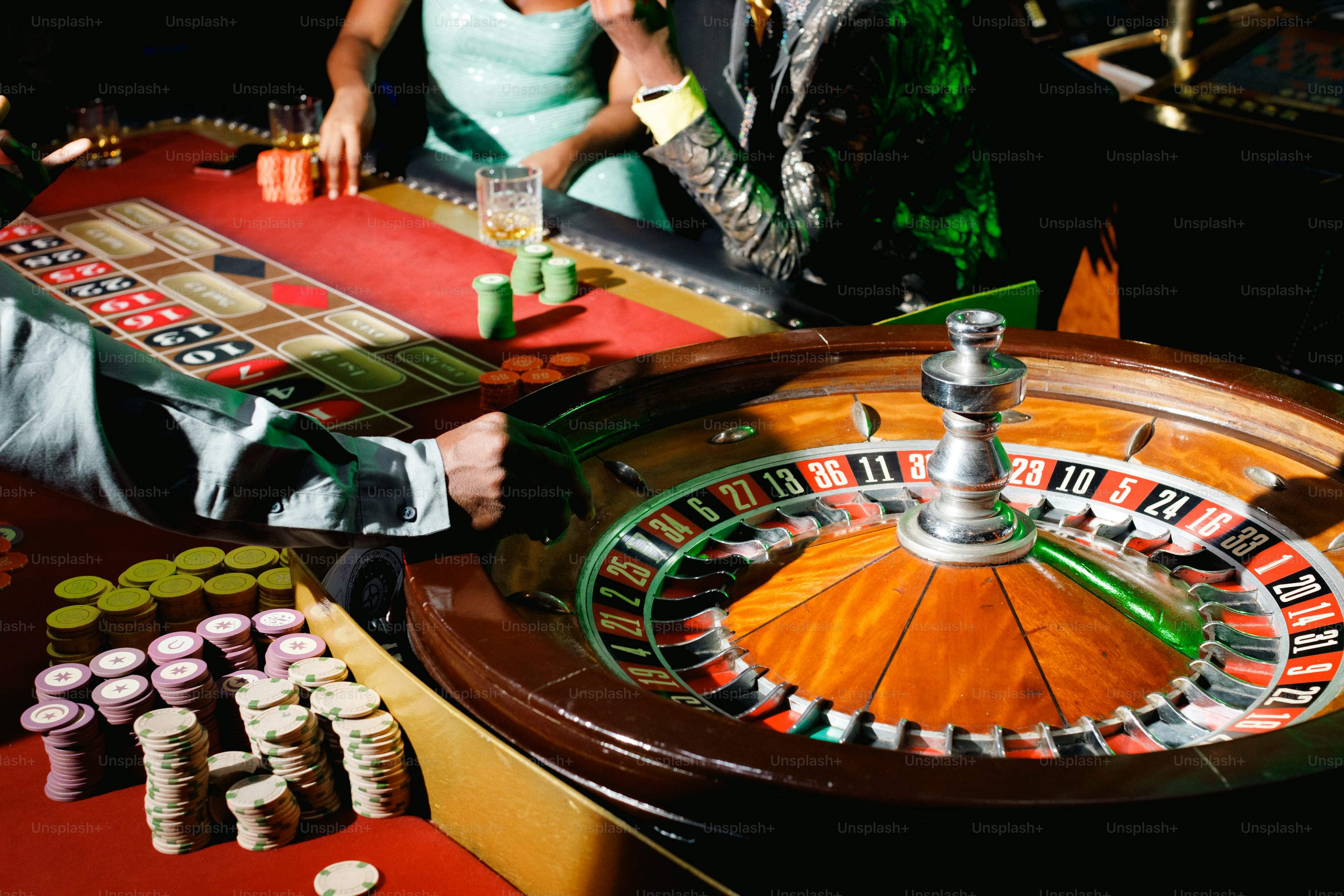
Casino chips are physical tokens associated with table-based gaming activities. They vary in color, markings, and construction, allowing individual pieces to be distinguished within a set and recognized by the people using them.

Their practical design must account for visibility, handling, and storage. Trays and other supporting equipment keep tokens organized at a table, while clearly defined procedures govern their movement through the relevant service areas.

Public entertainment properties bring together people with different expectations and levels of familiarity with the building. Some visitors follow a planned schedule, while others explore the available facilities. Clear information and recognizable service points help both groups make practical decisions without needing to understand the internal organization of the property.

Information should be presented in a form that suits its audience. Visitors usually need a concise explanation of where to go or what is available, while staff may require more detailed instructions. Keeping these purposes distinct helps avoid crowded signs and makes internal procedures easier to maintain when arrangements change.

Consistency does not mean that every area must have an identical character. A property can contain quiet rooms, active public spaces, and formal service settings while using the same underlying approach to directions and communication. This combination allows variety without requiring visitors to learn a completely new system at every doorway.

Chips illustrate how a simple physical object can connect the visual identity of a property with a structured operational process. The details may differ between properties, but examining how people use the space provides a consistent way to understand its purpose and identify the everyday connections that support the complete visitor experience.

Casino Game Demonstrations


Casino game demonstrations introduce the layout and basic procedures of an activity in an explanatory setting. A demonstration may focus on identifying equipment, recognizing table markings, and understanding the sequence followed by participants and staff.

The presentation needs clear language and enough space for observers to see the relevant objects. Separating explanation from a busy live activity can make it easier to ask questions without interrupting other visitors.

Changes within one department can affect several others. Moving an entrance, altering an event schedule, or temporarily closing a service point may change visitor routes and staff workloads elsewhere. Communicating these changes in advance makes it easier for different teams to provide consistent information and adjust their own preparations.

Operational records support continuity between shifts and departments. A clear description of a task or an unresolved issue allows the next person to continue the work without reconstructing the entire situation. The value of such records depends on relevant details, consistent terminology, and a clear indication of who is responsible for follow-up.

The wider setting also matters. A property beside a busy street faces different arrival patterns from one reached mainly by private transport. Nearby hotels, event spaces, and public routes can influence the flow of visitors, making the relationship between the venue and its surroundings part of everyday operational planning.

An introductory demonstration is most useful when its purpose remains clear and the information is presented without unnecessary complexity. Considering the visitor journey together with the work performed behind the scenes gives a more complete understanding of the subject than an assessment based entirely on appearance or on a single moment of use.

Casino Reception Areas


Casino reception areas are points where arriving visitors obtain information and begin using a property. A reception desk may serve a hotel, an event venue, or a dedicated service area, with different responsibilities depending on its location.

Staff need sufficient space to handle questions while keeping lines from blocking entrances and walkways. Clear signs can distinguish accommodation check-in from general information, reducing unnecessary movement between desks that provide different services.

The experience of a space can change with the time of day and the number of people present. An arrangement that feels spacious during a quiet afternoon may need more active management before an evening event. Observing ordinary patterns of use provides useful information about where additional signs, assistance, or room may be needed.

Information should be presented in a form that suits its audience. Visitors usually need a concise explanation of where to go or what is available, while staff may require more detailed instructions. Keeping these purposes distinct helps avoid crowded signs and makes internal procedures easier to maintain when arrangements change.

Temporary conditions can reveal details that are less noticeable during routine operation. A busy performance, a maintenance closure, or a change in weather may alter how people use the building. Reviewing these situations helps teams prepare practical alternatives and keep their explanations consistent when the normal arrangement is unavailable.

The reception area establishes an early impression through a combination of clear organization, suitable space, and attentive communication. Looking at the subject in this broader context helps explain why apparently small decisions can matter to several departments and why practical arrangements deserve attention alongside the more visible features of a venue.

Casino Museums


Casino museums and historical displays examine objects and stories associated with gaming venues and entertainment districts. Collections may include photographs, signs, documents, furniture, or examples of equipment from different periods.

An exhibit needs context as well as objects. Labels can explain where an item was used, how it fits into the surrounding history, and which details are known from the available records rather than assumed.

Within a larger property, this subject connects to services that visitors may not immediately notice. Staff schedules, delivery routes, storage areas, and cleaning routines all influence how a public space operates. Coordination between these activities helps the visible part of the venue remain consistent during both quiet hours and periods of heavier use.

Information should be presented in a form that suits its audience. Visitors usually need a concise explanation of where to go or what is available, while staff may require more detailed instructions. Keeping these purposes distinct helps avoid crowded signs and makes internal procedures easier to maintain when arrangements change.

The most informative assessment considers the entire journey through the property. A comfortable room can still be difficult to use if it is poorly signposted, and a clear entrance can lead to confusing internal routes. Looking at these connections gives a fuller picture than judging individual features entirely in isolation.

The museum setting turns familiar entertainment objects into material for examining design, everyday work, and changing patterns of leisure. Its role becomes clearer when viewed alongside the rest of the building, including the routes, services, and staff activities that connect the individual area with the wider experience of visiting an entertainment property.

Casino Gaming Machines


Casino gaming machines are electronic devices used for individual gaming activities. Cabinets, screens, controls, seating, and surrounding circulation space together define the physical setting in which a visitor interacts with a machine.

From a facilities perspective, equipment placement must account for power, ventilation, cleaning, and maintenance access. Rows of devices also influence sight lines and walking routes, so their arrangement is part of the wider floor plan.

Public entertainment properties bring together people with different expectations and levels of familiarity with the building. Some visitors follow a planned schedule, while others explore the available facilities. Clear information and recognizable service points help both groups make practical decisions without needing to understand the internal organization of the property.

Periodic review allows a property to compare its intended arrangements with actual daily use. Useful questions concern access, comfort, waiting, maintenance, and the clarity of information. These observations do not require every space to look the same; they help each area perform its particular role within the larger venue.

Consistency does not mean that every area must have an identical character. A property can contain quiet rooms, active public spaces, and formal service settings while using the same underlying approach to directions and communication. This combination allows variety without requiring visitors to learn a completely new system at every doorway.

The machine area connects digital equipment with an ordinary public interior that still depends on accessibility and reliable upkeep. The details may differ between properties, but examining how people use the space provides a consistent way to understand its purpose and identify the everyday connections that support the complete visitor experience.

Casino Reception Areas


Casino reception areas are points where arriving visitors obtain information and begin using a property. A reception desk may serve a hotel, an event venue, or a dedicated service area, with different responsibilities depending on its location.

Staff need sufficient space to handle questions while keeping lines from blocking entrances and walkways. Clear signs can distinguish accommodation check-in from general information, reducing unnecessary movement between desks that provide different services.

The experience of a space can change with the time of day and the number of people present. An arrangement that feels spacious during a quiet afternoon may need more active management before an evening event. Observing ordinary patterns of use provides useful information about where additional signs, assistance, or room may be needed.

Information should be presented in a form that suits its audience. Visitors usually need a concise explanation of where to go or what is available, while staff may require more detailed instructions. Keeping these purposes distinct helps avoid crowded signs and makes internal procedures easier to maintain when arrangements change.

Temporary conditions can reveal details that are less noticeable during routine operation. A busy performance, a maintenance closure, or a change in weather may alter how people use the building. Reviewing these situations helps teams prepare practical alternatives and keep their explanations consistent when the normal arrangement is unavailable.

The reception area establishes an early impression through a combination of clear organization, suitable space, and attentive communication. Looking at the subject in this broader context helps explain why apparently small decisions can matter to several departments and why practical arrangements deserve attention alongside the more visible features of a venue.

Poker Rooms


Poker rooms are dedicated areas where card games take place at a group of tables. They may operate as separate rooms or as clearly identified sections within a larger casino, with their own seating and service arrangements.

A room needs a way to organize available tables and communicate with people waiting for a place. Scheduled events can require additional planning for registration, breaks, and the movement of participants between tables.

The experience of a space can change with the time of day and the number of people present. An arrangement that feels spacious during a quiet afternoon may need more active management before an evening event. Observing ordinary patterns of use provides useful information about where additional signs, assistance, or room may be needed.

Information should be presented in a form that suits its audience. Visitors usually need a concise explanation of where to go or what is available, while staff may require more detailed instructions. Keeping these purposes distinct helps avoid crowded signs and makes internal procedures easier to maintain when arrangements change.

There is no single arrangement that suits every destination. The age of the building, available floor area, surrounding transport, and mix of facilities all influence the choices available. A city property and a spacious resort may address similar needs through different layouts, even when they offer broadly comparable services to their visitors.

The room functions as a distinct operational environment, combining shared card equipment with organized seating and clear communication. Looking at the subject in this broader context helps explain why apparently small decisions can matter to several departments and why practical arrangements deserve attention alongside the more visible features of a venue.

spinoo login

Discover incredible casino entertainment and successful gambling tips

Navigating the Thrills of Online Casino Entertainment

Online casinos offer a dynamic and accessible platform for engaging with a wide array of thrilling games, and for many, the first step involves a quick spinoo login to access their account. From the spinning reels of popular slots to the strategic depths of table games, players can experience the excitement of a casino from the comfort of their own homes. The digital evolution of the casino industry has brought unparalleled convenience, allowing enthusiasts to jump into the action with just a few clicks.

spinoo login

The variety available at online gaming sites is truly astounding, catering to every taste and skill level. Whether you’re a beginner looking for simple entertainment or a seasoned player seeking sophisticated challenges, the online casino environment provides a rich tapestry of options. This accessibility is a cornerstone of modern casino entertainment, making it a popular pastime for millions worldwide.

Strategic Approaches to Enhance Your Gambling Experience

While luck plays a significant role in casino games, adopting smart gambling tips can significantly enhance your experience and potentially improve your outcomes. Understanding the odds, managing your bankroll effectively, and knowing when to walk away are crucial elements of responsible gambling. Focusing on games where you can employ some strategy, such as blackjack or certain poker variants, can also lead to more engaging play.

Successful gambling is not solely about winning; it’s also about enjoying the process and maintaining control. Setting limits on both time and money spent is paramount. By approaching casino entertainment with a disciplined mindset, players can ensure that their gaming remains a source of enjoyment rather than stress. This mindful approach is a key differentiator for those who consistently have a positive casino experience.

The Evolution of Casino Games and Technology

The online casino landscape is constantly evolving, driven by technological advancements and player demand. Innovations in graphics, sound design, and user interface have made digital casino games incredibly immersive and realistic. Features like live dealer games, which stream real-time action to your screen, bring an authentic casino atmosphere directly to players, bridging the gap between online and physical venues.

Furthermore, the integration of mobile technology ensures that casino entertainment is always within reach. Many online gaming platforms are optimized for smartphones and tablets, allowing players to enjoy their favorite games on the go. This seamless transition across devices offers unprecedented flexibility, making it easier than ever to access exciting casino action whenever the mood strikes.

Choosing the Right Platform for Your Casino Adventures

Selecting a reputable online casino is a vital step in ensuring a safe and enjoyable gaming experience. Look for platforms that prioritize security, offer fair gameplay, and provide responsive customer support. A user-friendly interface and a diverse game selection are also important factors that contribute to overall satisfaction. Reading reviews and understanding the terms and conditions of bonuses can help you make an informed choice.

The best online casinos create an environment where players feel valued and protected. This includes offering secure payment options and transparent policies. By doing your due diligence, you can find a gaming destination that aligns with your preferences and provides a consistently high-quality entertainment experience, much like the focused approach of platforms dedicated to user satisfaction.
spinoo login

Spinoo Casino: Your Gateway to Exciting Online Gaming

Spinoo Casino stands out as a premier destination for online casino entertainment, offering a seamless and secure platform for players. With a user-friendly interface, accessing your account and diving into a world of thrilling games is incredibly straightforward. Spinoo Casino is dedicated to providing an exceptional gaming experience, whether you’re drawn to the excitement of slots or the strategic depth of table games.

Registering at Spinoo Casino unlocks access to exclusive bonuses and promotions designed to enhance your winning journey. The platform’s commitment to security ensures that your personal and financial information is protected, allowing you to focus entirely on enjoying the vast selection of games. Spinoo Casino aims to be your go-to for reliable and exhilarating online gambling adventures.

Casino Staff Training


Casino staff training prepares employees for the tasks and communication requirements of their roles. A property may employ teams working in accommodation, food service, maintenance, entertainment, administration, and gaming, each with distinct responsibilities.

Training can combine written procedures, demonstrations, supervised practice, and feedback from experienced colleagues. Shared guidance about communication and escalation helps employees respond consistently when a situation involves more than one department.

The experience of a space can change with the time of day and the number of people present. An arrangement that feels spacious during a quiet afternoon may need more active management before an evening event. Observing ordinary patterns of use provides useful information about where additional signs, assistance, or room may be needed.

Operational records support continuity between shifts and departments. A clear description of a task or an unresolved issue allows the next person to continue the work without reconstructing the entire situation. The value of such records depends on relevant details, consistent terminology, and a clear indication of who is responsible for follow-up.

The most informative assessment considers the entire journey through the property. A comfortable room can still be difficult to use if it is poorly signposted, and a clear entrance can lead to confusing internal routes. Looking at these connections gives a fuller picture than judging individual features entirely in isolation.

An effective training program connects the specific skills of a job with the broader service standards of the property. Looking at the subject in this broader context helps explain why apparently small decisions can matter to several departments and why practical arrangements deserve attention alongside the more visible features of a venue.

Casino Housekeeping


Casino housekeeping maintains the cleanliness and presentation of accommodation and public spaces. The work may involve guest rooms, corridors, washrooms, lounges, and other areas, each with a different schedule and pattern of use.

Teams plan tasks around occupancy, access, and the presence of visitors. Supplies and equipment need to be stored and moved efficiently, while communication with reception and maintenance helps resolve issues that cannot be handled through cleaning alone.

The relationship between appearance and function is especially important in a frequently used venue. Decorative choices contribute to character, but the same materials and objects must also withstand cleaning, movement, and repeated handling. A design can remain attractive for longer when maintenance requirements are considered before the space begins operating.

Information should be presented in a form that suits its audience. Visitors usually need a concise explanation of where to go or what is available, while staff may require more detailed instructions. Keeping these purposes distinct helps avoid crowded signs and makes internal procedures easier to maintain when arrangements change.

Temporary conditions can reveal details that are less noticeable during routine operation. A busy performance, a maintenance closure, or a change in weather may alter how people use the building. Reviewing these situations helps teams prepare practical alternatives and keep their explanations consistent when the normal arrangement is unavailable.

Housekeeping is a continuing operational activity whose results are visible throughout the property, even when the work itself remains unobtrusive. Over time, changes in visitor patterns and service arrangements may call for adjustments, making regular observation a useful complement to the original design and to the procedures established when a facility first opens.