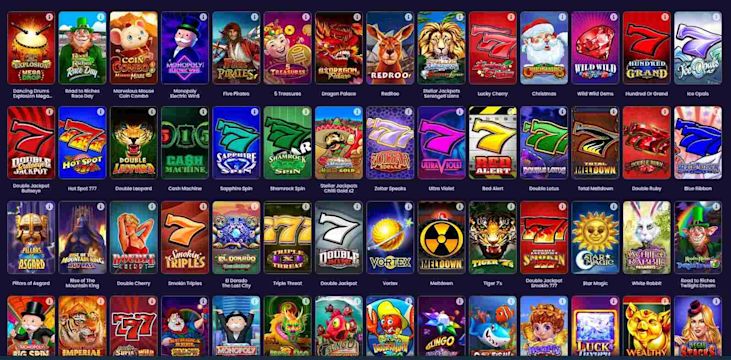
PlayTsogo integrates responsible gaming tools directly into the user interface, allowing South African players to manage their spending and time without leaving the lobby. The platform provides specific mechanisms for setting daily loss limits, deposit caps, and session breaks, which function independently of external support tickets or manual approvals.
The 5-Minute Reality Check
The pause feature on PlayTsogo acts as a immediate intervention point when a player feels their decision-making process becoming habitual rather than analytical. When activated, this tool locks the user out of active games for a defined period, typically five minutes, during which no new bets can be placed and existing ones must resolve according to standard game rules. This brief interruption serves as a structural break in the flow of play, forcing a moment where the player reviews their current status rather than reacting impulsively to previous outcomes.
Accessing this feature requires navigating to the responsible gaming section within the account dashboard or locating the dedicated button directly on the game interface, depending on the device being used. The URL https://themoveablefeast.co.za/ often serves as a reference point for players seeking external context on these mechanisms, though the functionality remains internal to the PlayTsogo environment. Once the timer expires, access is restored automatically, but the reset of mental focus provides an opportunity to assess whether continuing aligns with the limits previously set by the user.
Three Key Limits You Can Set on PlayTsogo
PlayTsogo allows players to define financial boundaries before they begin playing, ensuring that spending remains within a predetermined range regardless of game volatility or session length. These controls are applied per account and can be adjusted at any time, though reductions often take effect immediately while increases may require a cooling-off period to prevent rapid escalation of stakes. The system tracks these limits in real-time, deducting amounts from available balance as bets are placed or deposits are confirmed, providing a clear view of remaining funds for the day.
- Daily Deposit Limit: This cap restricts the total amount of money that can be added to the account within a 24-hour period, preventing external funding from bypassing internal budget controls.
- Daily Loss Limit: A fixed maximum amount that can be lost across all games in a single day; once reached, further bets are declined until the next calendar day resets the counter.
- Wager Limit per Bet: This setting determines the maximum stake allowed on any single spin or hand, helping to control the speed at which funds are consumed during active play.
- Session Time Limit: Players can set a maximum duration for their gaming session, after which the platform will prompt them to log out or confirm their intent to continue playing.
These limits operate independently of each other, meaning a player can have a low deposit limit but a high loss limit if they choose, allowing for flexible management based on individual risk tolerance. The settings are saved to the account profile and persist across sessions, ensuring that controls remain in place even after logging out and returning later.
PlayTsogo vs.
Standard Casino Controls: A comparison table showing how local South African regulations differ from international standards in terms of transparency and player protection
The regulatory environment for online gambling in South Africa imposes specific requirements on operators regarding player fund segregation and limit visibility, which distinguishes PlayTsogo’s approach from many offshore platforms that cater to a global audience. Local standards often mandate clearer disclosure of odds and more immediate access to responsible gaming tools directly within the main navigation, whereas international sites may bury these features deeper in the settings menu or offer them only upon request. This structural difference affects how easily a player can monitor their activity and enforce self-imposed restrictions without navigating away from the gaming floor.
| Feature | PlayTsogo (Local Standard) | Typical International Operator |
| Limit Visibility | Limits displayed on account dashboard with real-time tracking | Often hidden in separate responsible gaming tab |
| Deposit Verification | Immediate deduction from limit upon confirmation | May allow multiple deposits before limit update |
| Cooling-Off Period | Automatic lockout after time limit expires | Requires manual re-entry or password confirmation |
| Loss Limit Enforcement | Hard stop on betting when limit is reached | Soft limit with option to override via pop-up |
This table highlights the operational differences that affect player control, with PlayTsogo’s local compliance requiring more immediate and visible enforcement mechanisms compared to the often more passive controls found in international markets. The distinction lies in the default behavior of the platform: local standards tend to prioritize proactive protection, while international sites frequently rely on the player to actively seek out and adjust their settings.
The 15-Minute Cooling-Off Period:
Why taking a brief pause helps you distinguish between emotional chasing and rational decision-making at the tables
The cooling-off period on PlayTsogo is designed to interrupt the psychological loop of “chasing losses,” where players increase stakes or frequency to recover money lost in previous sessions. By enforcing a mandatory 15-minute break before a player can access their funds again or place new bets, the platform introduces a temporal gap that allows emotional arousal to subside and rational assessment to return. This period is not merely a delay but a structural barrier that prevents immediate reaction to short-term variance, encouraging players to view their bankroll as a finite resource rather than an endless supply for the next hand.
During this 15-minute window, the player’s account remains active but locked from placing new wagers, though they can still observe game outcomes and track the passage of time. This visibility allows them to see how quickly money can be lost or won without the pressure of making decisions, providing a clearer picture of the game’s volatility relative to their remaining balance. The pause ends automatically, and the player is returned to the lobby with no additional confirmation required, but the break itself serves as a checkpoint for evaluating whether continued play is a conscious choice or an impulsive habit.